

Spain Travel Guide: Smart Itineraries, Cities & Travel Tips
Spain is one of the best destinations in Europe for travelers who want a mix of culture, food, walkable cities, and efficient multi-stop itineraries. From Mediterranean coastal cities to major cultural hubs, it offers a wide range of experiences that are easy to combine into one trip.
This guide is designed to help you plan your Spain trip efficiently, with curated destinations, practical travel tips, and flexible itinerary ideas so you can make the most of your time without overcomplicating the process.
Why Visit Spain?
-
Spain is one of the most rewarding countries in Europe because it combines:
-
walkable, experience-rich cities
-
strong regional identity and culture
-
excellent food at a wide range of budgets
-
reliable rail connections between major destinations
-
year-round travel potential depending on region
-
It is especially well suited for:
-
first-time Europe trips
-
5–10 day city-based itineraries
-
food and culture focused travel
-
multi-city routes by train
-
For travelers who value efficiency, Spain is one of the easiest countries in Europe to structure into a smart, low-friction itinerary.
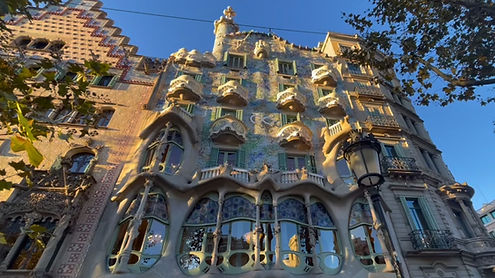
Best Things to Do in Spain
Spain offers a strong mix of cultural landmarks, food experiences, and city-based exploration. The best trips usually combine major highlights with time to simply walk, eat, and experience each place at a slower pace.
Cultural Experiences
Spain is one of the best places in Europe for architecture, museums, historic neighborhoods, and region-specific traditions. From Gaudí’s work in Barcelona to historic centers and cathedrals across the country, culture is a core part of the travel experience.
Food & Local Life
Food is one of Spain’s biggest strengths. Tapas, regional specialties, local markets, and long evening meals all make food a central part of how you experience each city, not just something you fit in between attractions.
Walkable City Exploration
Many of Spain’s best experiences come from simply moving through its cities on foot. Neighborhood wandering, plazas, waterfronts, and local cafés often deliver as much value as major tourist landmarks.
How to Plan Your Spain Trip
Trip Length
-
3–4 days → one city
-
5–7 days → two cities
-
8–10 days → two to three cities, depending on pace
Suggested Route
Spain works best when you build your trip around a small number of cities rather than trying to cover too much ground too quickly.
For many travelers, a simple and efficient route is:
Barcelona → Valencia
This gives you:
-
two strong, walkable cities
-
manageable transit time
-
a mix of architecture, food, and coastal atmosphere
Budget Expectations
Spain is generally more affordable than many other Western European destinations.
Typical expectations:
-
accommodation: moderate, with good mid-range options
-
food: strong value, especially outside obvious tourist zones
-
transport: efficient and often reasonable when booked in advance
For travelers focused on value, Spain offers a very strong experience-to-cost ratio.
Sample 7-Day Spain Itinerary (Barcelona + Valencia)
Day 1: Arrive in Barcelona
-
Check in and get oriented
-
Explore your immediate neighborhood
-
Dinner and evening walk
Day 2: Barcelona Highlights
-
Focus on architecture, central neighborhoods, and major sight
-
Keep the day walkable and geographically efficient
👉 Read more:
Day 3: Barcelona at a Slower Pace
-
Explore markets, cafës, or waterfront areas
-
Build in flexibility rather than overpacking the day
Day 4: Travel to Valencia
-
Take the train to Valencia
-
Check in and spend the evening exploring nearby areas
Day 5: Valencia Core Experiences
-
Explore major city highlights(Turia, Museum of Sciences)
-
Combine architecture, food, and walkable areas
Day 6: Valencia at a Relaxed Pace
-
Beach time, local neighborhoods, or a slower food-focused day
-
Use this day to experience the city without
👉 Read more:
A Week in Valencia Spain: The Perfect 7-Day Travel Guide for 2025
Day 6: Departure or Buffer Day
-
Flexible morning
-
Return travel or onward connection
Why This Itinerary Works
-
minimizes transit time
-
avoids overloading the trip
-
combines two high-value Spanish cities
-
balances major sights with space to actually enjoy the trip

Travel Tips for Spain
Planning a Spain trip well usually comes down to pacing, meal timing, and city-to-city logistics.
-
Don’t overpack your route
Spain is better experienced through fewer cities with more time in each one. -
Expect later meal times
Lunch and dinner often happen later than many travelers expect, especially compared with the U.S. -
Book intercity transport in advance
Train routes between major cities can be efficient, but advance booking usually gives you better pricing and more flexibility. -
Prioritize walkable neighborhoods
Where you stay can significantly affect how efficient and enjoyable your trip feels. -
Leave room for slower travel moments
Some of the best parts of Spain are unplanned: local cafés, plazas, evening walks, and neighborhood wandering.
Best Time to Visit Spain
Spain is a strong year-round destination, but the best timing depends on your route and preferred style of travel.
-
Spring (March–May) — Best overall
Comfortable weather, good city-walking conditions, and strong balance between cost and experience.
-
Fall (September–November) — Great alternative
Often ideal for city trips, with pleasant temperatures and fewer peak-season crowds.
-
Summer (June–August) — Best for coastal travel, but hotter
Popular and energetic, but some cities can feel intense in peak heat.
-
Winter (December–February) — Good for city-focused trips
A practical time for lower crowds and seasonal travel, especially for travelers comfortable with cooler temperatures.
How to Get Around Spain
Getting around Spain is relatively straightforward if you center your trip on connected cities.
-
Train — Best for major city-to-city travel
Fast and efficient between major destinations like Barcelona and Valencia.
-
Walking — Best within cities
Many Spanish city centers are highly walkable and best explored on foot.
-
Local transit — Useful in larger cities
Metro, buses, and trams can help connect neighborhoods efficiently.
-
Car — Only useful for specific routes
For most city-based Spain trips, a car adds friction rather than reducing it.
If your itinerary is primarily urban, train + walking is usually the best combination.

Related Spain Travel Guides
-
Explore more detailed guides to help plan your Spain trip:
Plan Your Trip Smarter
Want to plan your trip faster and more efficiently?
Explore tools, prompts, and travel systems designed to simplify planning and help you build better itineraries.